iPhone Fold: Everything We Know About Apple's Foldable iPhone (2026)
Apple is finally entering the foldable phone market. Here's everything we know about the iPhone Fold's expected release date, price, design, and specifications for 2026.
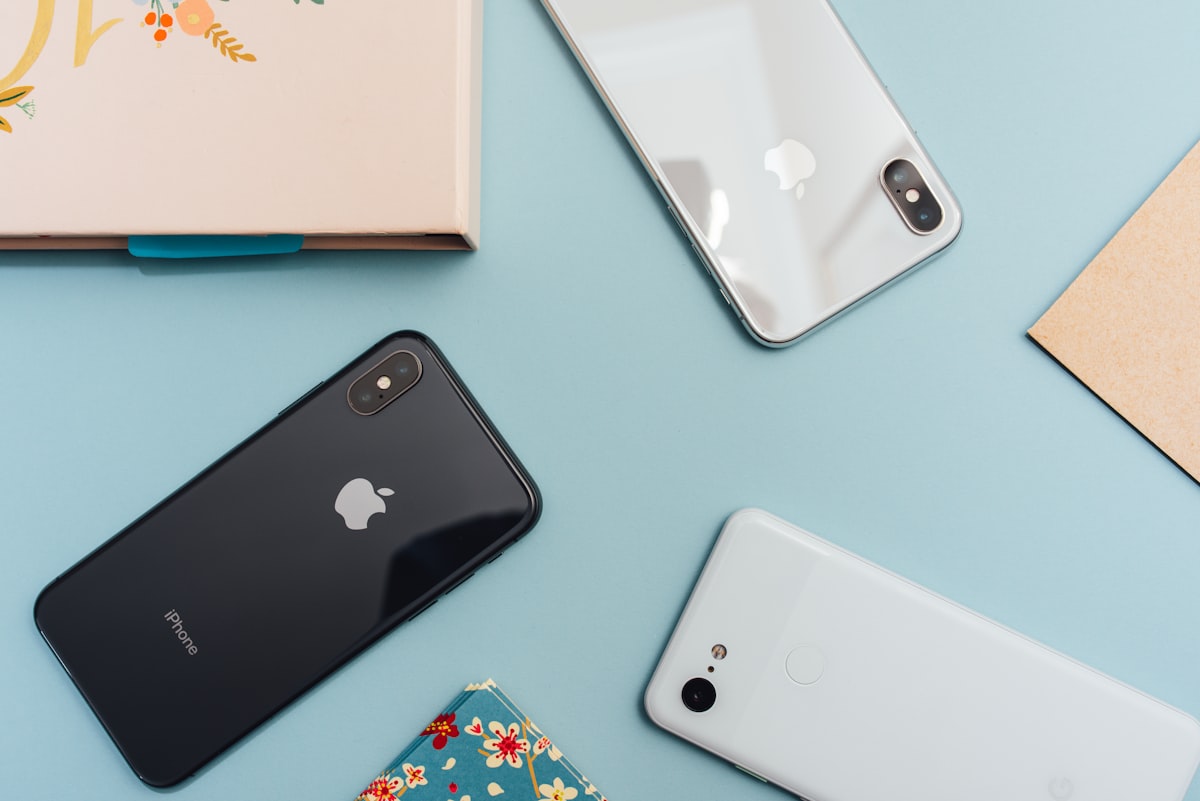
Seven years after Samsung released the first Galaxy Fold, Apple is finally ready to enter the foldable smartphone arena. The iPhone Fold—or whatever Apple ultimately names it—represents the most significant iPhone design change since the iPhone X eliminated the home button in 2017.
Apple's approach to new product categories has always followed a predictable pattern: let competitors work out the kinks, study what consumers actually want, then release a polished product that "just works." It's the strategy that gave us the iPod, iPhone, iPad, and Apple Watch. Now, with foldable technology finally maturing, Apple appears ready to make its move.
The stakes couldn't be higher. Samsung, Google, and OnePlus have already established the foldable market, but it remains a niche category. Can Apple's entry finally make foldables mainstream? Here's everything we know about the iPhone Fold.
Expected Release Date
According to multiple supply chain reports and analyst predictions, the iPhone Fold is expected to launch in September 2026, alongside the iPhone 18 Pro models. This timing would mark Apple's entrance into foldables during its traditional fall hardware event.
Interestingly, the standard iPhone 18 may be delayed until 2027, making the iPhone Fold THE flagship launch of fall 2026. This would give Apple's foldable maximum spotlight and differentiate the launch lineup in a way we haven't seen before.
Ming-Chi Kuo, a reliable Apple analyst, has suggested mass production could begin as early as mid-2026, with component orders ramping up significantly in the first quarter. If these timelines hold, Apple is on track for a fall reveal at their annual September event.
Design: Book-Style Foldable
Unlike the compact flip phones that Samsung offers with its Z Flip series, Apple is reportedly going all-in on a book-style foldable—similar to the Samsung Galaxy Z Fold or Google Pixel Fold. This design opens like a book to reveal a large inner display.
Display Specifications (Expected)
- Inner Display: Approximately 7.6 inches when fully open
- Cover Screen: Around 5.3 inches when closed
- Refresh Rate: ProMotion 120Hz on both displays
- Display Type: OLED with Apple's True Tone technology
The Thinness Obsession
Apple's design philosophy has always prioritized thinness, and the iPhone Fold appears to be no exception. Reports suggest Apple is targeting a 4.5mm thickness when open—which would make it the thinnest Apple device ever created. For context, the iPhone 16 Pro is 8.25mm thick.
Achieving this thinness while maintaining structural integrity and battery capacity is an engineering challenge that Apple has reportedly been working on for years. The result could be a foldable that feels dramatically different from the competition.
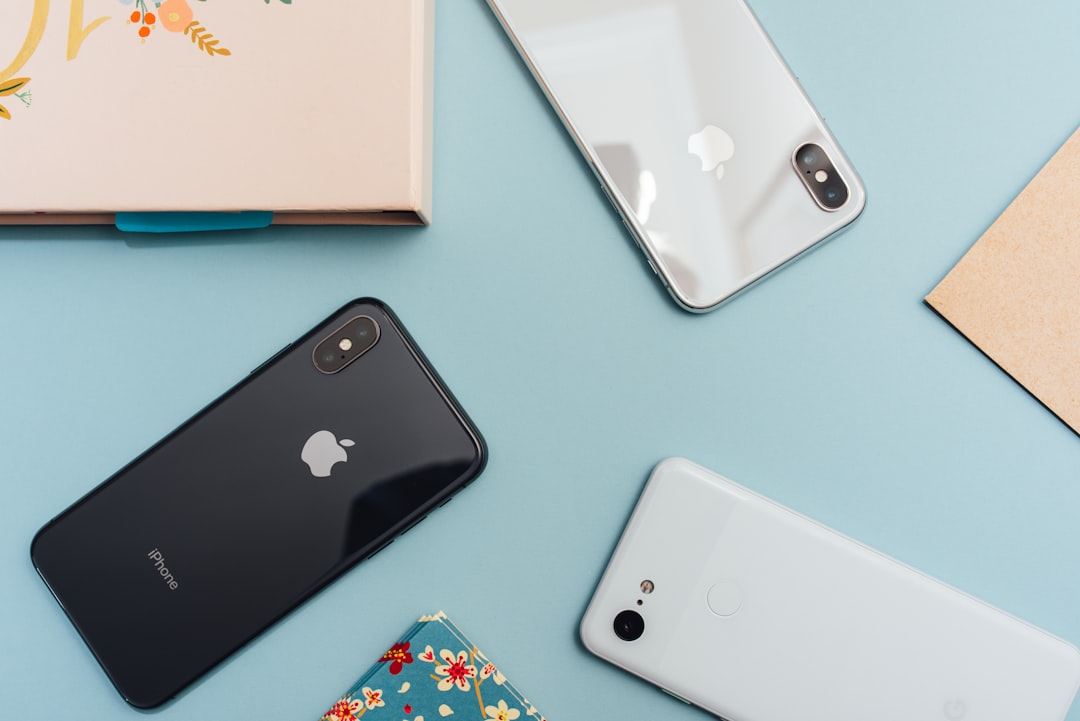
Apple's obsession with thin, premium design will likely define the iPhone Fold. Photo: Unsplash
The Hinge
The hinge mechanism is arguably the most critical component of any foldable phone. Early Samsung foldables suffered from dust ingress, mechanical failures, and visible gaps when closed. Apple has had years to study these failures.
Rumors point to a liquid metal hinge design, leveraging the amorphous metal alloy technology Apple acquired through its purchase of Liquidmetal Technologies patents. This material is stronger than titanium, highly resistant to wear, and can be precision-molded—potentially perfect for a durable, premium-feeling hinge mechanism.
Can Apple Solve the Crease Problem?
After seven generations of foldables, Samsung's Galaxy Z Fold 6 still has a visible crease where the display folds. It's become the elephant in the room for foldable phones—a constant reminder that you're using a compromised display.
At CES 2026, Samsung demonstrated a creaseless foldable display prototype, suggesting the technology finally exists. The question is whether Apple can deliver a creaseless display on its first attempt. Given Apple's perfectionist tendencies and willingness to delay products until they meet quality standards, a crease-free iPhone Fold would be a major differentiator.
Expected Specifications
While Apple keeps its cards close, we can make educated predictions based on Apple's patterns and supply chain reports.
What's Likely
- Processor: A20 Bionic (or equivalent next-generation chip)
- Camera System: Apple's best camera array, potentially matching iPhone 18 Pro
- Display: ProMotion 120Hz on both screens, OLED
- Biometrics: Face ID (possibly on both outer and inner screens)
- Connectivity: 5G, Wi-Fi 7, Bluetooth 5.3
- Operating System: iOS 20 with foldable-optimized interface
What's Unknown
- Battery Capacity: Split cells across both halves seem likely, but total capacity is unknown
- Apple Pencil Support: The large inner display would be perfect for stylus input, but it's unconfirmed
- Storage Tiers: Likely 256GB base, but could be higher given premium positioning
- RAM: Probably 8GB or more to support multitasking on the large display
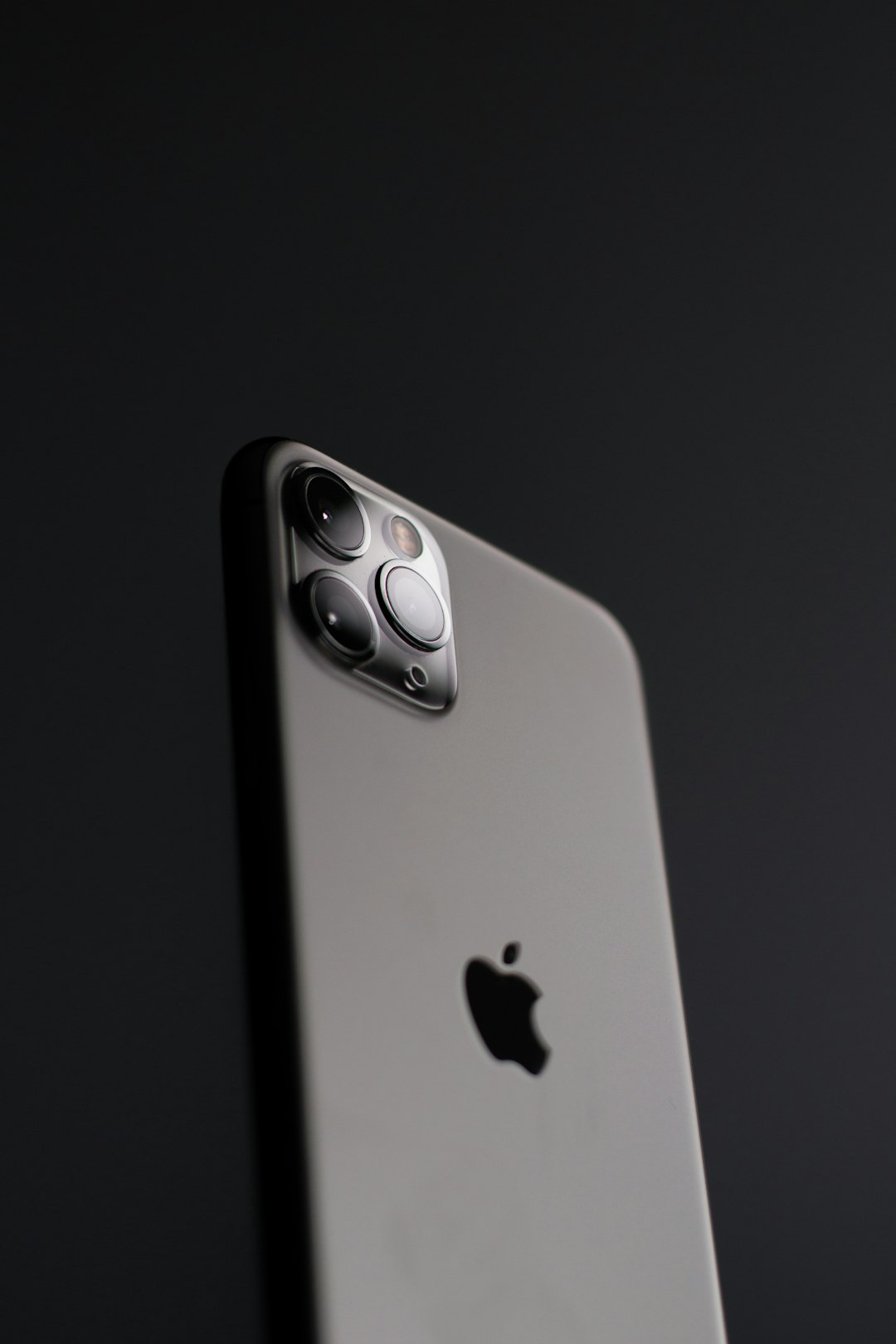
The iPhone Fold's large inner display could transform how users interact with their device. Photo: Unsplash
Pricing Expectations
Prepare your wallet: the iPhone Fold is expected to be Apple's most expensive iPhone ever.
Most credible sources point to a starting price around $2,000. For context:
- Samsung Galaxy Z Fold 6: $1,799
- Google Pixel Fold: $1,799
- iPhone 16 Pro Max: $1,199
At $2,000, Apple would be pricing approximately $200 above the direct competition—consistent with its premium positioning. The company has never competed on price, and there's no reason to expect that strategy to change for its most ambitious iPhone yet.
This pricing could establish a new tier in Apple's lineup. Some analysts speculate Apple might brand it as an "Ultra" product, sitting above the Pro Max as the ultimate iPhone experience. Whether or not it carries the Ultra name, the iPhone Fold will clearly target users who want the absolute best, regardless of cost.
Why Apple Waited Seven Years
Samsung launched the original Galaxy Fold in 2019 (after a rocky false start). So why did Apple wait until 2026 to enter the foldable market?
Strategic Patience
Apple has always been comfortable letting competitors pioneer new categories while it watches and learns. The first iPhone wasn't the first smartphone. The iPad wasn't the first tablet. The Apple Watch wasn't the first smartwatch. In each case, Apple entered with a more refined product that captured mainstream appeal.
What Apple Learned from Competitors
- Durability Issues: Early Samsung foldables had screen failures, hinge problems, and dust intrusion. Apple's late entry means learning from these mistakes.
- The Crease Problem: Consumers consistently cite the visible crease as a dealbreaker. Apple likely waited for creaseless display technology to mature.
- App Optimization: Running standard apps on foldable screens creates awkward experiences. Apple has had time to work with developers on proper foldable UI support.
- Price Resistance: Early foldables struggled with their high prices. Market conditioning over seven years has made $1,500-2,000 phones more acceptable.
The "It Just Works" Philosophy
Apple's brand promise is products that work seamlessly out of the box. First-generation products from competitors often require early adopters to tolerate bugs, durability concerns, and software quirks. By waiting, Apple can deliver a foldable that meets the "it just works" standard from day one.
Competition Landscape
When the iPhone Fold launches, it will enter an established but still-evolving market.
Current Competition
- Samsung Galaxy Z Fold 6: The current benchmark, with refined hardware but still-visible crease
- Samsung Galaxy Z TriFold: Samsung's ambitious tri-fold tablet-phone, unveiled at CES 2026
- Google Pixel Fold 2: Strong software optimization and Tensor AI features
- OnePlus Open: Aggressive pricing with flagship specs
Apple's Potential Advantages
Apple's ecosystem integration could be the iPhone Fold's secret weapon. Seamless handoff to iPad and Mac, tight Apple Watch integration, and deep iMessage/FaceTime optimization are advantages Android foldables can't match. For users already invested in Apple's ecosystem, the iPhone Fold won't just be a phone—it'll be the centerpiece of their connected device experience.
What Could Go Wrong
While excitement is warranted, it's worth tempering expectations. Even Apple isn't immune to first-generation product challenges.
Potential Concerns
- First-Gen Issues: The original Apple Watch had poor battery life. The first AirPods had connectivity issues. The iPhone Fold may have its own teething problems.
- Price Barrier: $2,000 is a lot for a phone, even for Apple enthusiasts. Sales volume may disappoint initially.
- Niche Market: Despite years of availability, foldables remain a small percentage of smartphone sales. Apple's entry may not change that.
- App Ecosystem: iOS apps will need updating to take full advantage of the foldable form factor. This transition takes time.
Should You Wait for the iPhone Fold?
The answer depends on your priorities and current situation.
Wait for iPhone Fold If:
- You're deeply invested in Apple's ecosystem and want a foldable that integrates seamlessly
- You value Apple's build quality, support, and software optimization
- You're willing to pay premium pricing for cutting-edge technology
- Your current phone can last another year comfortably
Don't Wait If:
- You want a foldable right now—Samsung and Google have excellent options today
- $2,000 is outside your budget
- You prefer to avoid first-generation products
- You don't see the appeal of foldable phones in general
If you simply need a great phone today, the iPhone 16 Pro remains an excellent choice that will serve you well for years. But if the idea of a book-style foldable iPhone excites you, September 2026 may be worth the wait.
Conclusion
The iPhone Fold represents Apple's most ambitious iPhone project in nearly a decade. By waiting for foldable technology to mature, Apple has positioned itself to deliver a polished product that could finally bring foldables to the mainstream.
At an expected $2,000, it won't be for everyone. But for those who want the most advanced iPhone ever made—a device that transforms from phone to tablet—September 2026 can't come soon enough.
As with all pre-release Apple products, details remain fluid. We'll update this article as new information emerges. One thing seems certain: the iPhone Fold will be the most talked-about tech product of 2026.
FAQ
When will the iPhone Fold be released?
The iPhone Fold is expected to launch in September 2026 alongside the iPhone 18 Pro models. Apple typically announces new iPhones in early September with availability within one to two weeks of the announcement.
How much will the iPhone Fold cost?
Based on supply chain reports and analyst predictions, the iPhone Fold is expected to start around $2,000—making it Apple's most expensive iPhone ever. Higher storage configurations could push prices even higher.
Will Apple make a flip-style foldable?
Current rumors focus exclusively on a book-style foldable (similar to Samsung's Z Fold). There's no credible evidence Apple is developing a flip-style phone (like Samsung's Z Flip) for 2026, though it could come in later years if the book-style model succeeds.
Will the iPhone Fold have a crease?
This remains unknown, but it's one of the most important questions. Samsung demonstrated creaseless display technology at CES 2026, and Apple may be able to deliver a crease-free display. Given Apple's attention to detail, a visible crease seems unlikely—but we won't know for certain until launch.
Is it worth waiting for the iPhone Fold?
If you're committed to Apple's ecosystem and excited about foldable technology, waiting for the iPhone Fold makes sense. However, if you need a phone now or want to avoid first-generation product risks, the iPhone 16 Pro or current Samsung/Google foldables are excellent alternatives.


Comments ()